
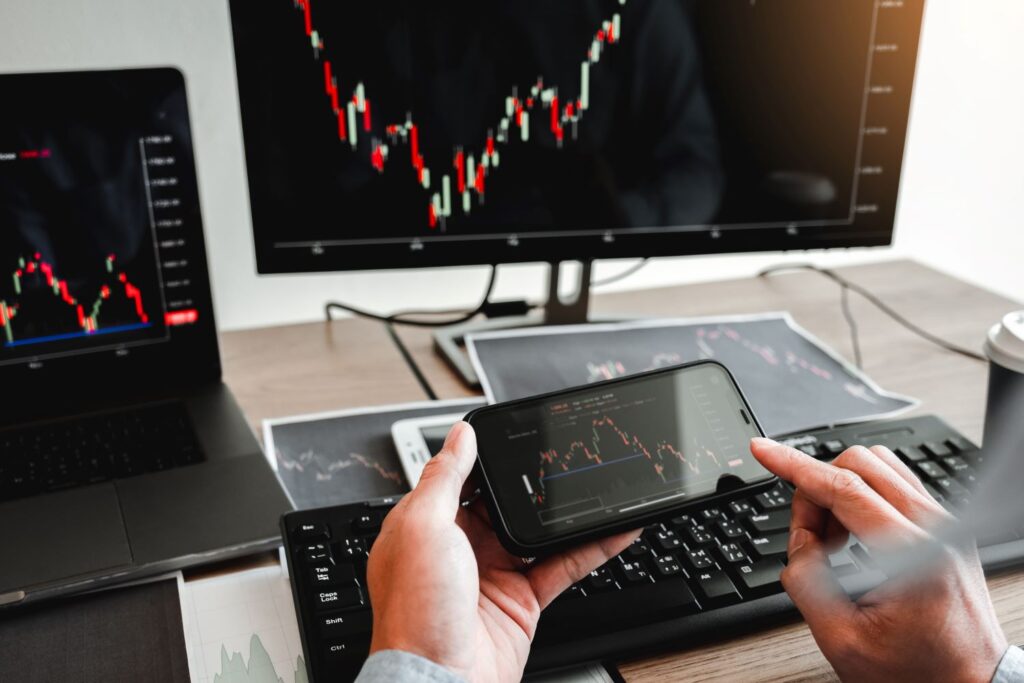
Forex trading, or foreign exchange trading, has gained immense popularity in India in recent years. With the world becoming increasingly interconnected and global trade expanding, many aspiring traders are looking to capitalize on the opportunities presented by the Forex market. However, while the potential for profit is significant, the pitfalls are equally daunting. In this article, we will explore both the opportunities and challenges of Forex trading in India, providing valuable insights for those considering entering this dynamic field.
Understanding Forex Trading
Forex trading involves buying and selling currency pairs in order to profit from fluctuations in exchange rates. Unlike stock trading, which takes place on centralized exchanges, the Forex market operates 24/5 through a global network of banks, financial institutions, and individual traders. This decentralized structure allows for greater flexibility and liquidity, making it an attractive option for many traders.
The Forex Market in India
In India, Forex trading is regulated by the Reserve Bank of India (RBI) and the Securities and Exchange Board of India (SEBI). While individuals can participate in Forex trading, they are typically restricted to trading in currency pairs that include the Indian Rupee (INR). This ensures that the trading environment remains stable and that risks are managed appropriately.
Opportunities in Forex Trading
1. High Liquidity
One of the main advantages of Forex trading is its high liquidity. The Forex market is the largest financial market in the world, with a daily trading volume exceeding $6 trillion. This high liquidity means that traders can enter and exit positions quickly, reducing the risk of slippage and allowing for efficient trade execution.
2. Leverage
Forex trading often allows traders to use leverage, which means they can control larger positions with a smaller amount of capital. In India, brokers typically offer leverage ratios ranging from 1:10 to 1:50, depending on the regulatory framework. While leverage can amplify profits, it also increases the potential for losses, making it crucial for traders to manage their risk effectively.
3. Diverse Trading Strategies
The Forex market offers a wide range of trading strategies, from day trading to swing trading and long-term investing. This diversity allows traders to choose an approach that aligns with their risk tolerance, trading style, and financial goals. Additionally, the availability of various technical and fundamental analysis tools can aid traders in making informed decisions.
4. Global Market Access
Forex trading provides access to a global market, allowing traders to take advantage of economic events, geopolitical developments, and market trends from around the world. This global perspective can enhance trading opportunities and help traders diversify their portfolios.
Pitfalls of Forex Trading
1. High Volatility
While volatility can create opportunities, it can also lead to significant losses. Currency prices can fluctuate dramatically due to economic news, geopolitical events, and market sentiment. Aspiring traders must be prepared for these sudden price movements and have a solid risk management strategy in place.
2. Complexity and Learning Curve
Forex trading requires a solid understanding of various concepts, including currency pairs, pips, spreads, and technical indicators. For beginners, the learning curve can be steep, and many new traders may find themselves overwhelmed by the amount of information available. Investing time and effort into education and practice is crucial for success.
3. Risk of Over-Leveraging
While leverage can boost profits, it can also lead to devastating losses if not managed properly. Over-leveraging is a common pitfall among aspiring traders, who may take on excessive risk in pursuit of quick gains. It’s essential to understand how leverage works and to use it judiciously to protect your capital.
4. Scams and Unregulated Brokers
The Forex market has its share of scams and unregulated brokers, particularly in a country like India, where the market is still maturing. Aspiring traders must conduct thorough research before choosing a broker, ensuring that they are regulated by relevant authorities and have a good reputation.
Tips for Aspiring Forex Traders in India
1. Educate Yourself: Take the time to learn about Forex trading, including key concepts, strategies, and risk management techniques. Consider enrolling in courses or reading books by experienced traders.
2. Start with a Demo Account: Most brokers offer demo accounts that allow you to practice trading with virtual money. Use this opportunity to familiarize yourself with the trading platform and test your strategies without risking real capital.
3. Develop a Trading Plan: A well-defined trading plan outlines your goals, risk tolerance, and strategies. Stick to your plan and avoid making impulsive decisions based on emotions.
4. Manage Your Risk: Use stop-loss orders and proper position sizing to limit potential losses. Never risk more than you can afford to lose on a single trade.
5. Stay Informed: Keep up with global economic news, market trends, and geopolitical developments that may impact currency prices. Staying informed will help you make better trading decisions.
Conclusion
Forex trading in India presents exciting opportunities for aspiring traders, but it also comes with its share of risks and challenges. By understanding the dynamics of the Forex market, educating yourself, and developing a disciplined trading approach, you can navigate the complexities of Forex trading and work towards achieving your financial goals. Remember, success in trading requires patience, persistence, and continuous learning. Happy trading!
Related Posts

Why a Sports Bra is a Game-Changer for Comfort and Performance
For many women, engaging in physical activity—whether it's running, yoga,…
Compare the Top Trading Brokers in Malaysia: Which Platform Offers the Best Value?
Choosing the right trading broker can make all the difference…

How Global Events Affect XAUUSD in India
In an era of escalating geopolitical tensions and shifting monetary…